Mentorship
Connect, Thrive, Empower: Be Part of the Change
Our Mentors
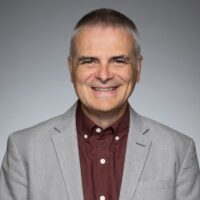
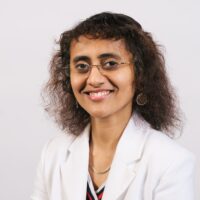





Jessica Blackwood
Accessible Digital Media Specialist Supervisor
Faculty of Science, McMaster University
Available to Match
Hello! My name is Jessica Blackwood and I am the Associate Director, IT (Acting) for the Faculty of Science, McMaster University. I lead a team responsible for faculty‑wide IT operations, digital transformation, securing device endpoints, and analytics-enabled service improvement. I also focus on stakeholder-involved project implementation within our Faculty and ongoing collaboration with central units. I have been a McMaster community member for over 14 years as a student and employee across several faculties and am extremely thankful for the relationships I have developed with colleagues across campus.
If you can sum up in a sentence or two, what best describes your career path?
My career journey has been anything but linear, and I am extremely thankful for the mentors I have had along the way who’ve helped me navigate a myriad of changes. Like many determined young students, I was adamant that I would become a doctor when starting my post-secondary journey as a Bachelor of Health Sciences student at McMaster. While completing a Masters in Rehabilitation Sciences at McMaster, which combined my interest in health-related fields and technology, I also started working with the Faculty of Science in roles related to teaching and learning and accessibility. Although my job description for the past several years has been “yes,” accessibility and inclusion have been the driving factors for the design and implementation of our operational IT services and strategic initiatives.
Why do you want to be a mentor, have you been a mentor before and / or currently a mentor?
I have been very fortunate to have had opportunities to mentor in the past. Since 2021, I have been a mentor for my undergraduate program (BHSc), connecting with third- and fourth-year Health Science students to showcase “Life After BHSc” and the variety of career pathways available to young students. I have also mentored several student employees and my team members throughout my time with the Faculty of Science, focusing on how to develop and showcase transferable skills, how to create accessible and relevant cover letters and resumes, and how to choose professional development opportunities.
Can you share your advice for prospective mentors and / or mentees as to what makes a successful mentorship relationship?
Successful mentor and mentee relationships require honesty and transparency – I have always appreciated when I have authentic conversions that showcase the good and the difficult of collective experiences. Never underestimate how valuable it can be to say, “I don’t know, but I want to learn more.” In general, maintaining a student-approach to life is critical to ensure you are always improving and expanding your knowledge, especially in IT-related fields where the landscape is constantly changing.
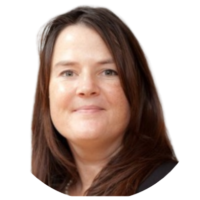
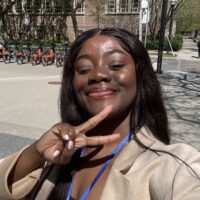
Maddie Osei
Information Security Business Analyst
Information Security Department, ITS, University of Toronto
Available to Match
Hi! I'm Maddie and I work as an Information Security and Business Analyst at the University of Toronto. My role involves supporting policy development, building risk management frameworks, leading security-related initiatives, and helping teams across the university make more informed, secure decisions. I spend a lot of time connecting the dots between strategy, risk, communication, and practical implementation.
If you can sum up in a sentence or two, what best describes your career path?
Definitely non-linear! I studied Business and French in undergrad, worked in real estate for a year, then pivoted into information science and data analytics. I fell in love with translating complexity into clarity and found my way into cybersecurity through people-centered projects and risk work. It’s been a mix of curiosity, saying yes to new challenges, and learning as I go.
Why do you want to be a mentor, have you been a mentor before and / or currently a mentor?
Yes! I’ve mentored students, interns, and peers both formally and informally, and it’s always been one of the most rewarding parts of my work. I’ve also been a mentee and know firsthand how helpful it is to have someone walk alongside you while you’re figuring things out. It turns what can feel like a solo journey into something shared and supported. We’ve all been there before, and mentorship is still something I actively seek out to this day. I want to be a mentor in this space because inclusion in cybersecurity can’t be a checkbox. It has to be rooted in connection, visibility, and shared growth. If I can help someone feel a little less alone navigating this field or help them see what’s possible, I’m all in.
Can you share your advice for prospective mentors and / or mentees as to what makes a successful mentorship relationship?
Be real. You don’t need to have it all figured out. Just show up, listen actively, and be open. For mentors, don’t just share your wins, you can also share the messy middle too. For mentees, ask the questions you think are too small or too silly. That’s usually where good conversations start. Mentorship is a two-way street, and it should leave both people feeling energized and supported.
Laura Grisé
Peoplesoft and Database Administrator
University Technology Services, McMaster University
Available to Match
Resources
Upcoming Mentor Match Events
| Title | Date |
|---|
Become a Mentee
Become a Mentor